
Dry Eye Treatment
Dry Eye Treatment
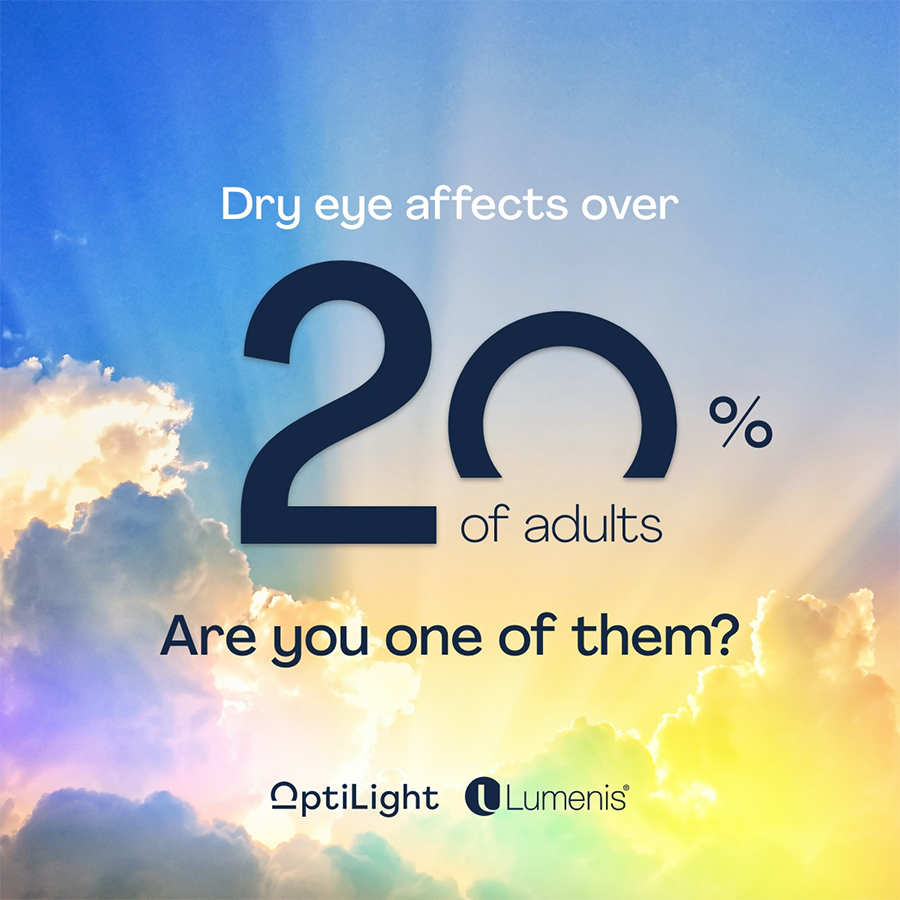
Dry Eye can have a major impact on your quality of life. You may find your eyes get tired faster or you have difficulty reading. Not to mention the discomfort of a burning sensation or blurry vision. Let’s take a look at dry eye treatments – from simple self-care to innovative prescriptions and therapies – to help you see clearly and comfortably.
What is Dry Eye?
Starting Points: Basic Dry Eye Care
Before exploring advanced treatment options, there are three foundational habits that can make a real difference in managing dry eye symptoms. Dr. Filar recommends these to nearly every dry eye patient as a starting point — simple, affordable, and effective when done consistently.
Warm Water Lid Scrubs
Begin each morning with a warm water lid scrub. Using clean fingertips or a soft washcloth, gently massage along your lash line to loosen any buildup on the eyelid margins that can contribute to gland blockage and irritation. If you have a few extra minutes, follow it up with a 10-minute warm compress — the heat helps soften the oils in your meibomian glands so they can flow more freely throughout the day. Think of it as the dry eye equivalent of brushing your teeth: a small daily habit with big long-term benefits.
Omega-3 Fatty Acids
What you eat affects your eyes more than most people realize. Omega-3 fatty acids — specifically DHA and EPA — play an important role in the quality of your tear film. We recommend a minimum of 1,000mg of combined DHA+EPA per day, which you can get through a diet rich in fatty fish, flaxseed, and walnuts, or through a daily supplement. If you're taking fish oil capsules, store them in the refrigerator or freezer — it reduces any aftertaste and helps preserve potency. As always, please discuss any new supplements with your primary care doctor before starting.
Oil-Based Eye Drops
Not all eye drops are created equal. For dry eye related to Meibomian Gland Dysfunction, oil-based emollient drops are significantly more effective than standard artificial tears because they replenish the lipid layer of your tear film — the layer responsible for slowing evaporation. We recommend using them in the evenings and before bed, when your eyes have the most time to absorb the benefit. A few tips: avoid sleeping with a fan blowing directly on your face, and consider trying a refrigerated eye mask to enhance comfort overnight. Two preservative-free options we recommend are Systane Complete PF and Retaine MGD.
When Basic Care Isn't Enough
These three steps are a great foundation — but for many patients, they're only part of the answer. If you've been consistent with basic dry eye care and are still struggling with symptoms, it may be time to consider a more targeted approach. That's where our advanced in-office treatments, OptiLight and OptiLift, come in.
Advanced In-Office Dry Eye Treatments
at Peninsula Vision Care
At Peninsula Vision Care, we believe you deserve more than temporary relief. That’s why we’re proud to offer two of the most advanced dry eye therapies available today — the Lumenis OptiLight and OptiLift — treatments that go beyond managing symptoms to address the root causes of dry eye disease.
OptiLight by Lumenis — IPL Therapy for Dry Eye
OptiLight is the first and only FDA-approved Intense Pulsed Light (IPL) therapy for dry eye management due to Meibomian Gland Dysfunction (MGD). And MGD matters — it is the most common cause of dry eye disease, accounting for approximately 86% of cases.
How does it work?
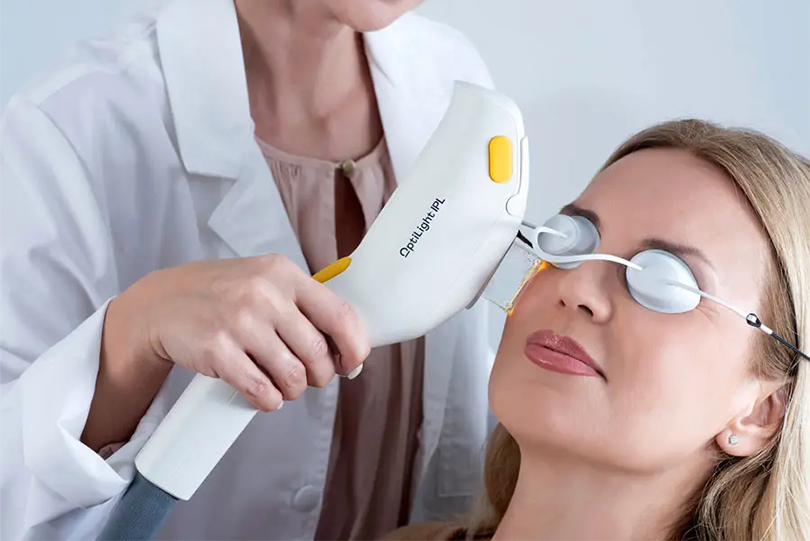
The oil-producing meibomian glands can become clogged and unable to produce a healthy tear film. During the OptiLight procedure, heat from the light helps liquefy and release oils that have hardened and blocked these glands, reducing the blockages that cause dry eye symptoms and improving the quality of your tears. OptiLight is a multifactorial treatment for a multifactorial disease — it addresses the disease by reducing major sources of inflammation, including abnormal blood vessels, Demodex mites, and pro-inflammatory agents. Unlike artificial tears or eye drops, which only mask symptoms, OptiLight targets the source of the problem.
What to expect:
Each session typically takes only 10–15 minutes. During treatment, your eyes will be covered with protective shields, and a thin layer of coupling gel will be applied to the skin. You may experience a warm sensation as the light is applied, but the treatment is gentle with minimal discomfort. Following the light application, Dr. Filar will perform meibomian gland expression to help restore normal oil flow in the tear film. For optimal results, four sessions are advised. Most patients report improvement after two to three treatments. To ensure long-term results, a maintenance session is recommended every 6–12 months. There is no downtime — you can return to your daily activities right away.
Is OptiLight right for you?
OptiLight is not right for everyone. Dr. Filar will evaluate your dry eye symptoms and determine whether this technology is the right fit for you. Factors that may rule out OptiLight include dry eye based on a lack of water content and excessive scarring around the eyes. A dry eye consultation is the first step.
OptiLift by Lumenis — Eyelid Toning for Dry Eye and Beyond
Sometimes dry eye isn’t just about tear production — it’s about how well your eyelids are doing their job. More than 60% of dry eye patients struggle with impaired lid closure, and when eyelids lose tension, incomplete blinking follows — leaving the eye surface inadequately lubricated.
OptiLift is a non-invasive treatment that addresses this often-overlooked contributor to dry eye by toning and tightening the muscles and skin around the lower eyelids.

How does it work?
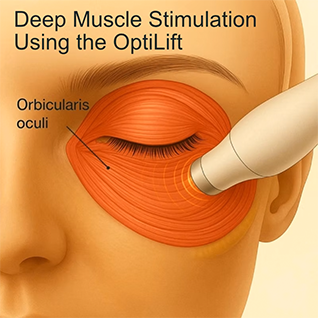
OptiLift combines two powerful technologies in one streamlined treatment. Radiofrequency (RF) energy gently warms the deeper layers of the skin to stimulate collagen production, tighten the eyelid area, and smooth fine lines. Dynamic Muscle Stimulation (DMSt) uses precise electrical pulses to activate and tone the muscles responsible for blinking and eyelid support. Together, these two technologies restore eyelid function and improve the quality of every blink. By toning the eyelid muscles, OptiLift can help improve tear breakup time and overall tear quality by encouraging more consistent and effective blinking, helping to alleviate evaporative dry eye.
What to expect:
Most patients find the treatment comfortable. During the RF portion, you may feel a warm, soothing sensation, and during the stimulation phase, you may feel light muscle activity. Some mild redness or sensitivity is normal and usually fades within a few hours. Most people return to their daily activities right away. A typical series includes four sessions.
A bonus benefit:
In addition to its therapeutic effects, the radiofrequency component gently heats the skin to stimulate collagen production, helping to reduce puffiness, smooth under-eye skin, and improve lower lid tone — leaving your eyes looking as refreshed as they feel.
OptiLight + OptiLift: A Comprehensive Approach
For many patients, the combination of both treatments offers the most complete relief. OptiLight targets internal gland inflammation and tear quality, while OptiLift addresses eyelid function and blink mechanics — together, they treat dry eye from multiple angles, inside and out.
Ready to find out if these treatments are right for you?
Schedule a dry eye consultation with Dr. Filar today. Call or text us at (920) 743-5053, or visit us at 1426 Egg Harbor Road, Sturgeon Bay.
Quick Links
Helpful Articles
article_category: products
article_category: psychiatry
article_category: faqs
article_category: cats
article_category: general
article_category: services
article_category: technology
article_category: dogs
article_category: restorative
article_category: vision therapy
article_category: contact lenses
article_category: health
article_category: conditions
article_category: eye surgery co-management
article_category: exotic
article_category: cosmetic
article_category: surgical procedures
article_category: aesthetics
article_category: preventative
article_category: ocular disease management
article_category: eyeglasses
article_category: eye health
article_category: large animal
[]
article_category: psychiatry
article_category: faqs
article_category: cats
article_category: general
article_category: services
article_category: technology
article_category: dogs
article_category: restorative
article_category: vision therapy
article_category: contact lenses
article_category: health
article_category: conditions
article_category: eye surgery co-management
article_category: exotic
article_category: cosmetic
article_category: surgical procedures
article_category: aesthetics
article_category: preventative
article_category: ocular disease management
article_category: eyeglasses
article_category: eye health
article_category: large animal
[]
Flowbite is an open-source library of interactive components built on top of Tailwind CSS including buttons, dropdowns, modals, navbars, and more.
Check out this guide to learn how to get started and start developing websites even faster with components on top of Tailwind CSS.
All Eyecare Services
We offer a wide variety of eye care services to the Sturgeon Bay community. Contact us with any questions about our services.

Keep In Touch
For non-urgent questions or to learn more about our services, contact us today!
Quick Links
Our Services
Contact Info
- 1426 Egg Harbor Road
Sturgeon Bay, WI 54235 - Phone: (920) 743-5053
- Fax: (920) 743-8802
Hours of Operation
- Monday 8:00am - 5:00pm
- Tuesday 8:00am - 5:00pm
- Wednesday 8:00am - 5:00pm
- Thursday 8:00am - 5:00pm
- Friday 8:00am - 4:30pm
- Saturday Closed
- Sunday Closed
- Monday
- Tuesday
- Wednesday
- Thursday
- Friday
- Saturday
- Sunday
- Monday
- Tuesday
- Wednesday
- Thursday
- Friday
- Saturday
- Sunday
© 2026 Peninsula Vision Care. All rights Reserved - Accessibility Statement - Privacy Policy - Sitemap
Managed and Designed by 